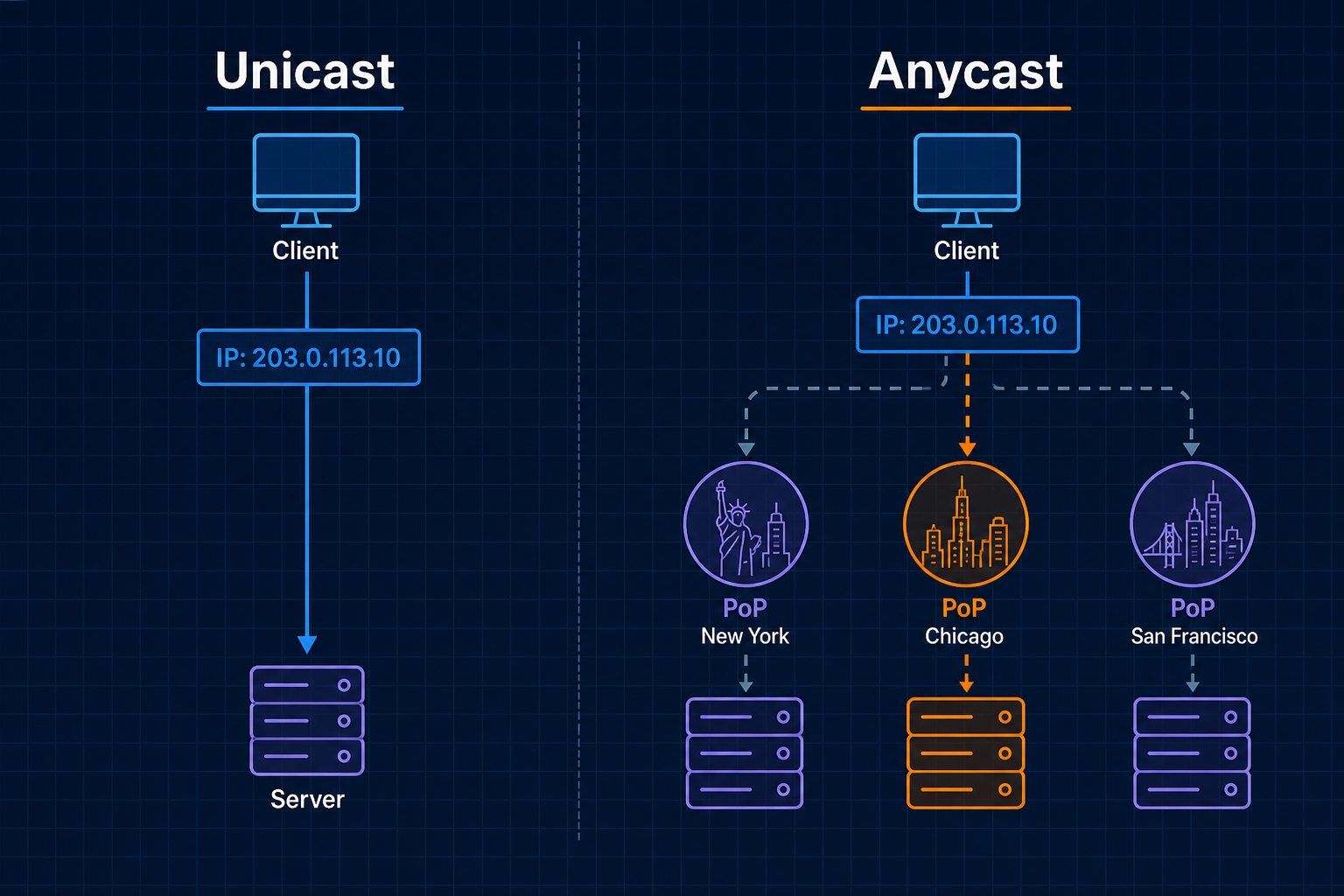
Anycast vs Unicast - Under the Hood
Unicast maps one IP to one place. Anycast maps one IP to many places and lets BGP pick the path. How both work, where DNS and CDNs use them, and which failures look like app bugs.

Unicast maps one IP to one place. Anycast maps one IP to many places and lets BGP pick the path. How both work, where DNS and CDNs use them, and which failures look like app bugs.
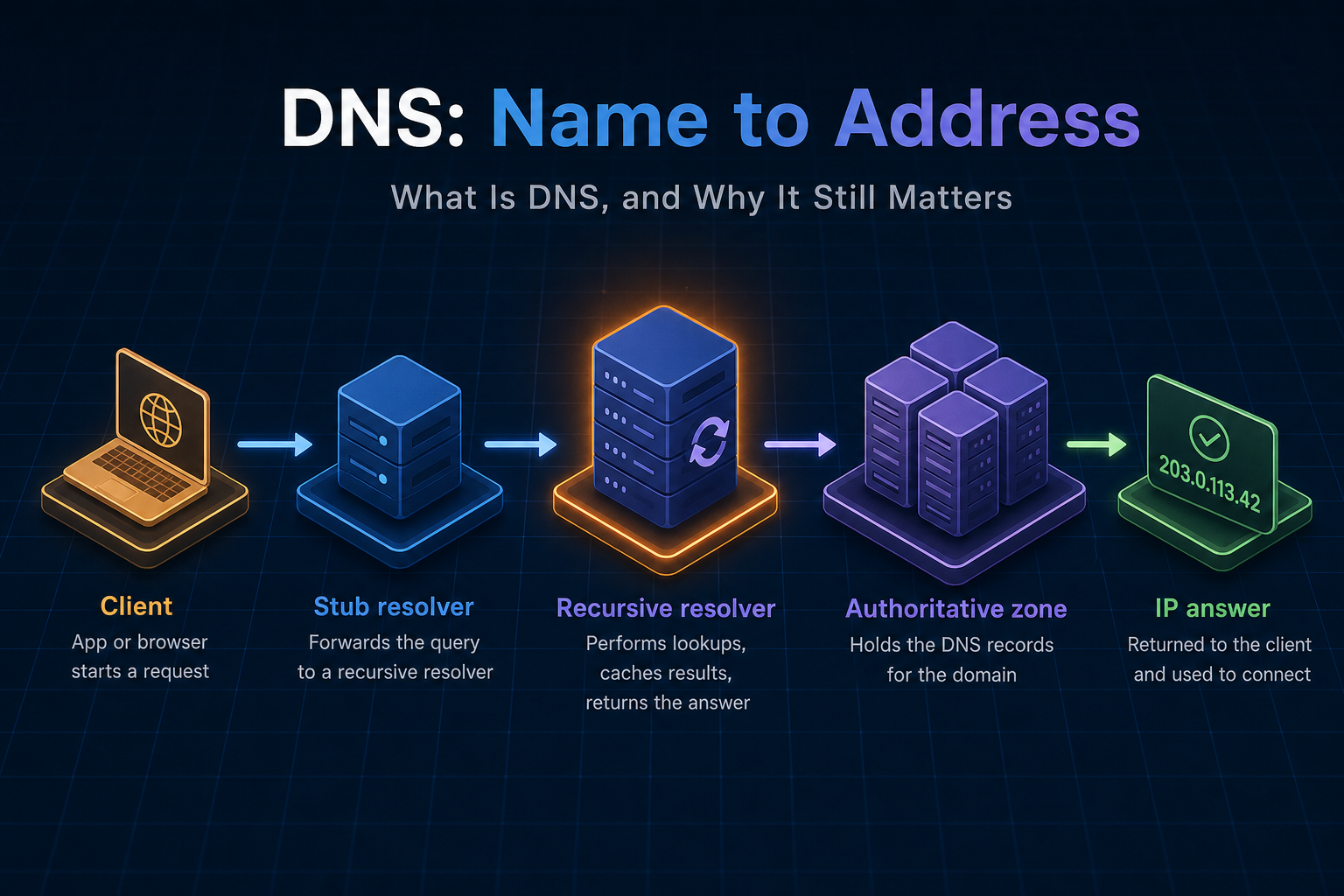
DNS is a globally distributed, hierarchical, eventually consistent naming database. Stub, recursive resolver, root, TLD, authoritative name server, caching, TTL, and anycast.
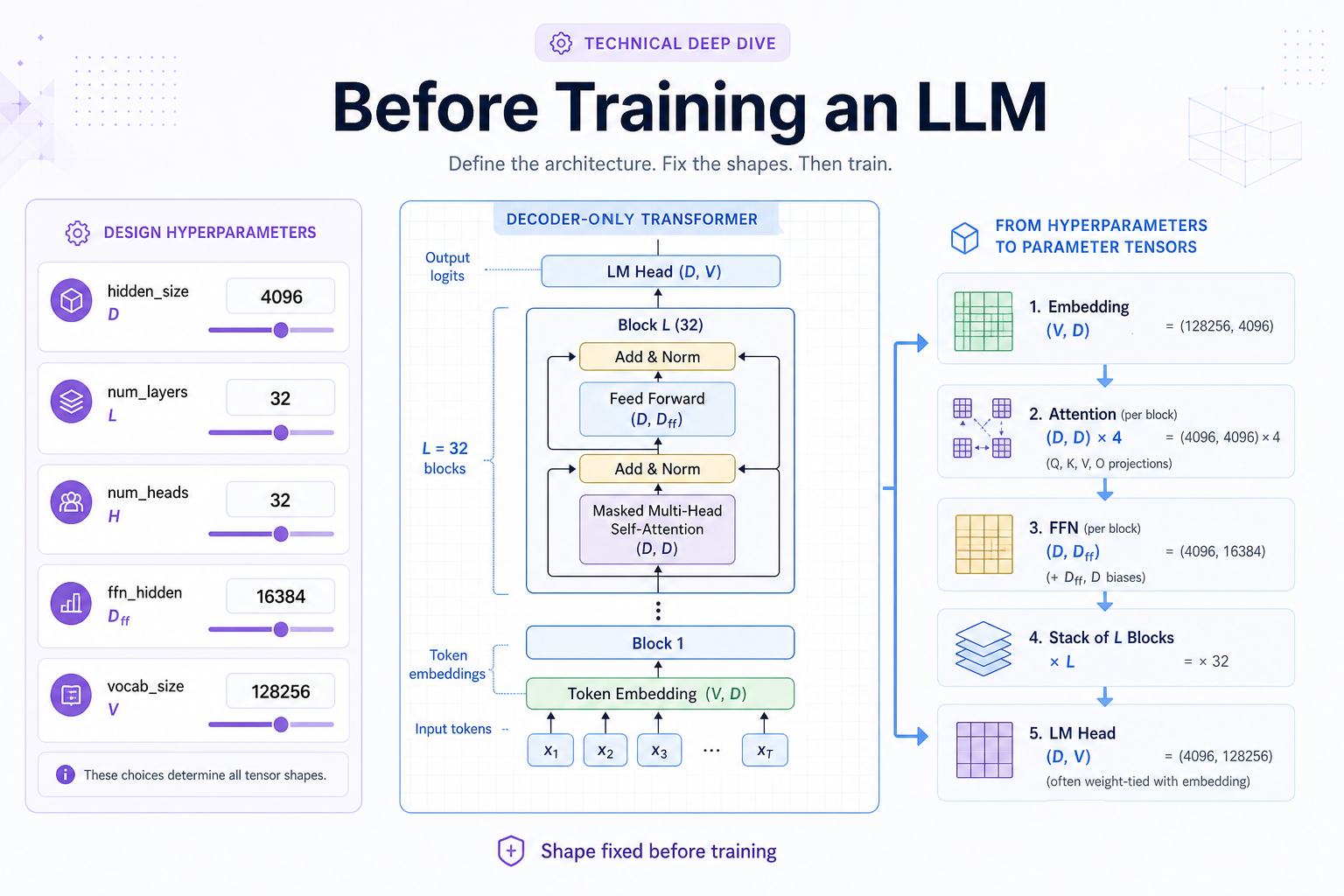
Hyperparameters, vocabulary, and why a 7B model is 7B before day one, how the dials connect, where parameters live, and why the context window is a budgeted choice.
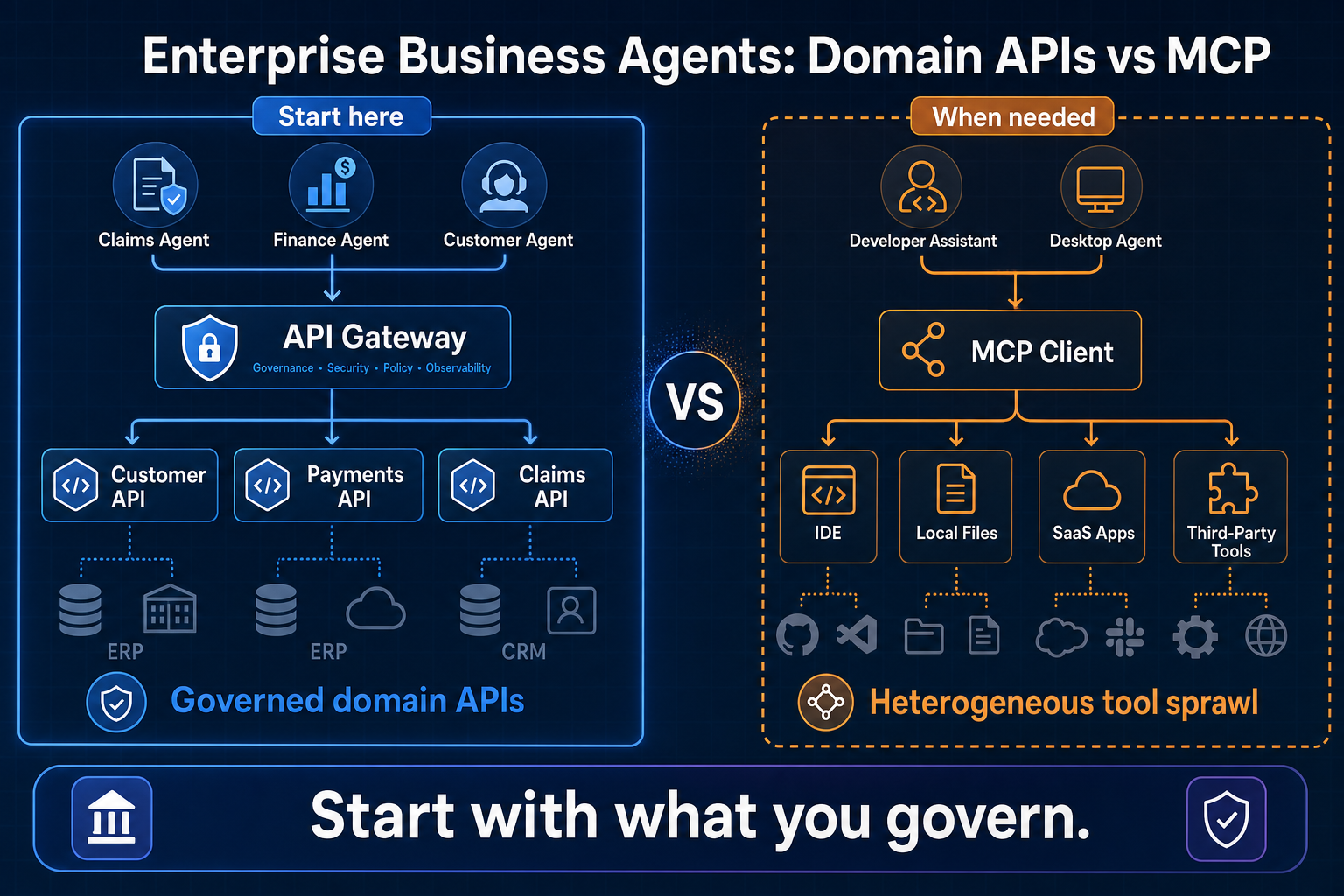
MCP is a valuable standard for AI tool interoperability. For regulated business agents, pin agent governance first (route contract, tools, permissions, context), then choose MCP only where it beats governed business APIs.

Retrieval is not a database query; it is a governed action. How Policy-Governed Agent Runtime applies to RAG when context construction must be scoped, auditable, and enforced before inference.
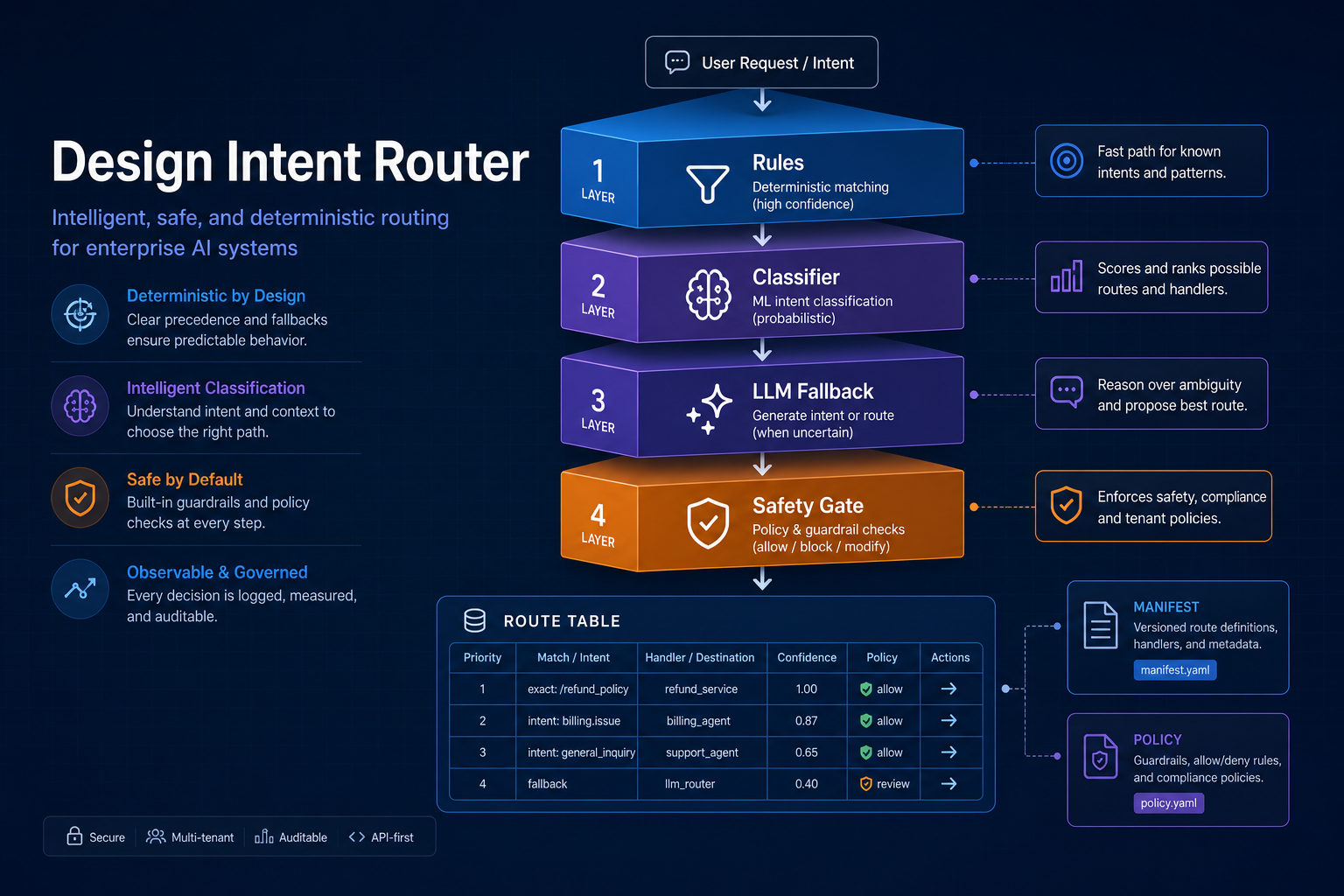
A practical design guide for intent routing — route tables, layered classification, confidence thresholds, session stickiness, eval gates, and wiring dispatch into the agentic app before the model loop runs.
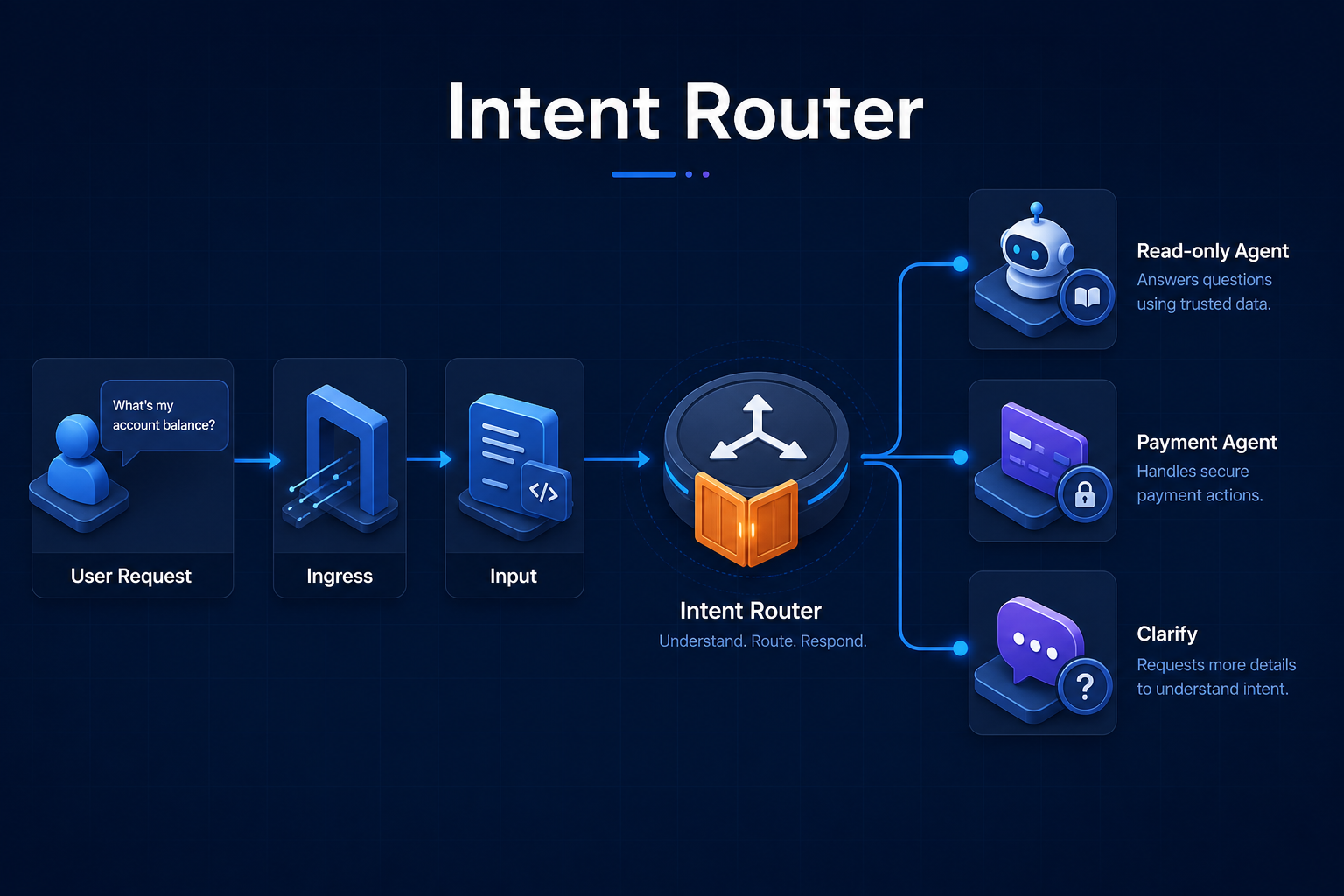
An intent router is the first deterministic decision in an agent stack. It maps user requests to the right workflow, agent, and tool manifest before the model loop runs — and when it fails, every downstream stage can execute perfectly and still miss the user’s goal.
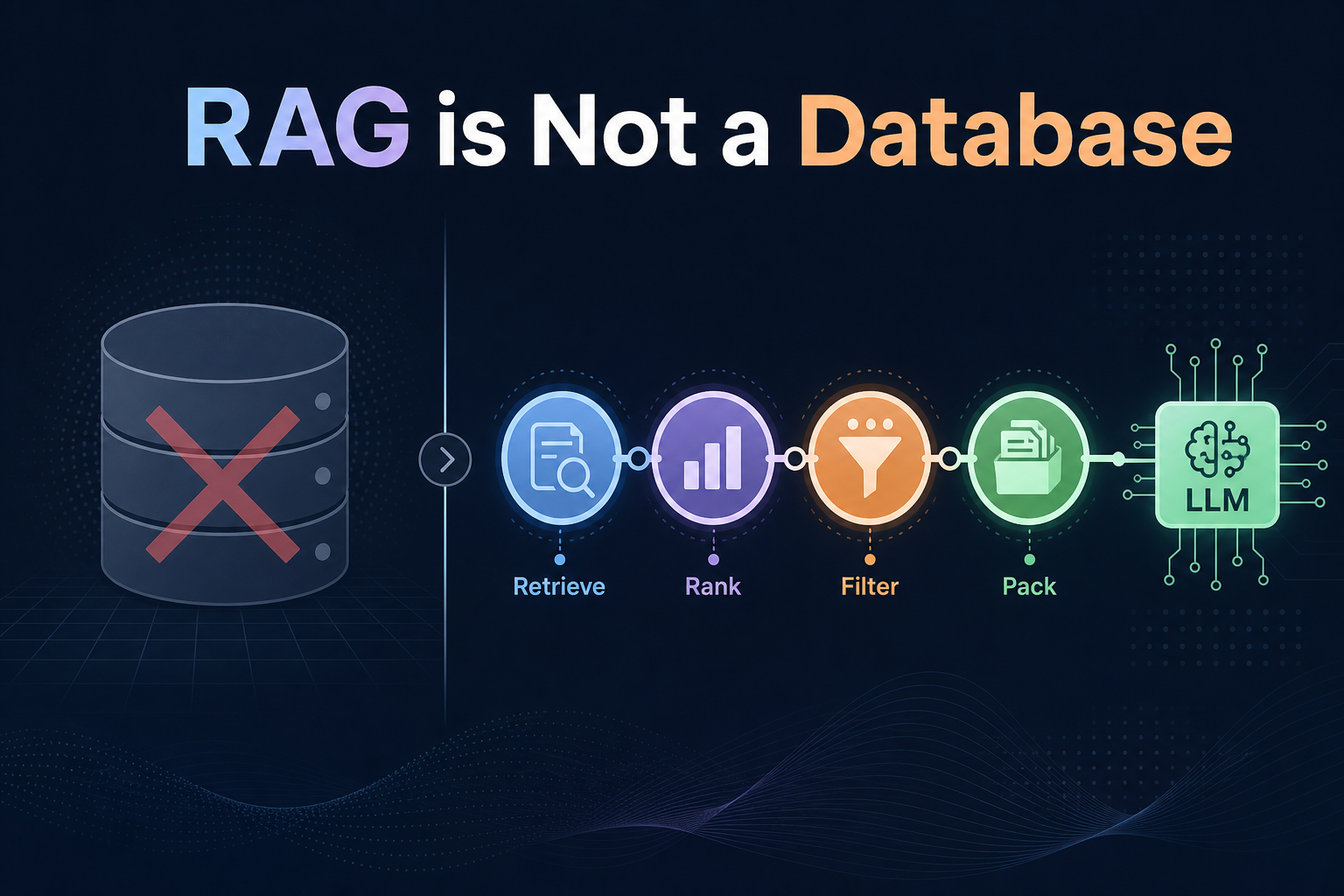
RAG is runtime context construction at query time, not a storage layer you bolt onto an LLM.
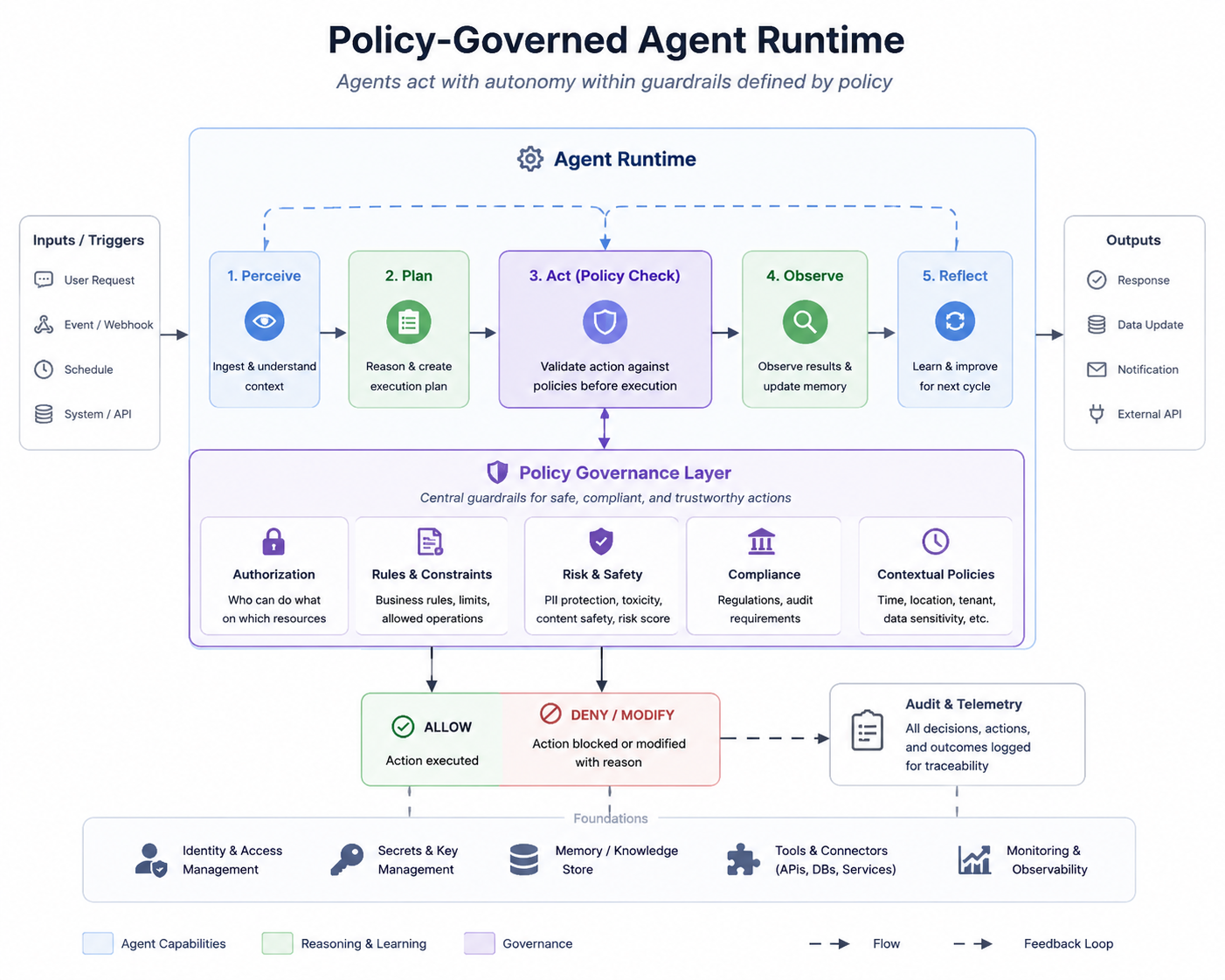
Proposal is not permission. Agents propose tool calls; governance decides whether they run. An architecture breakdown of runtime trust boundaries for production agent systems in regulated industries.
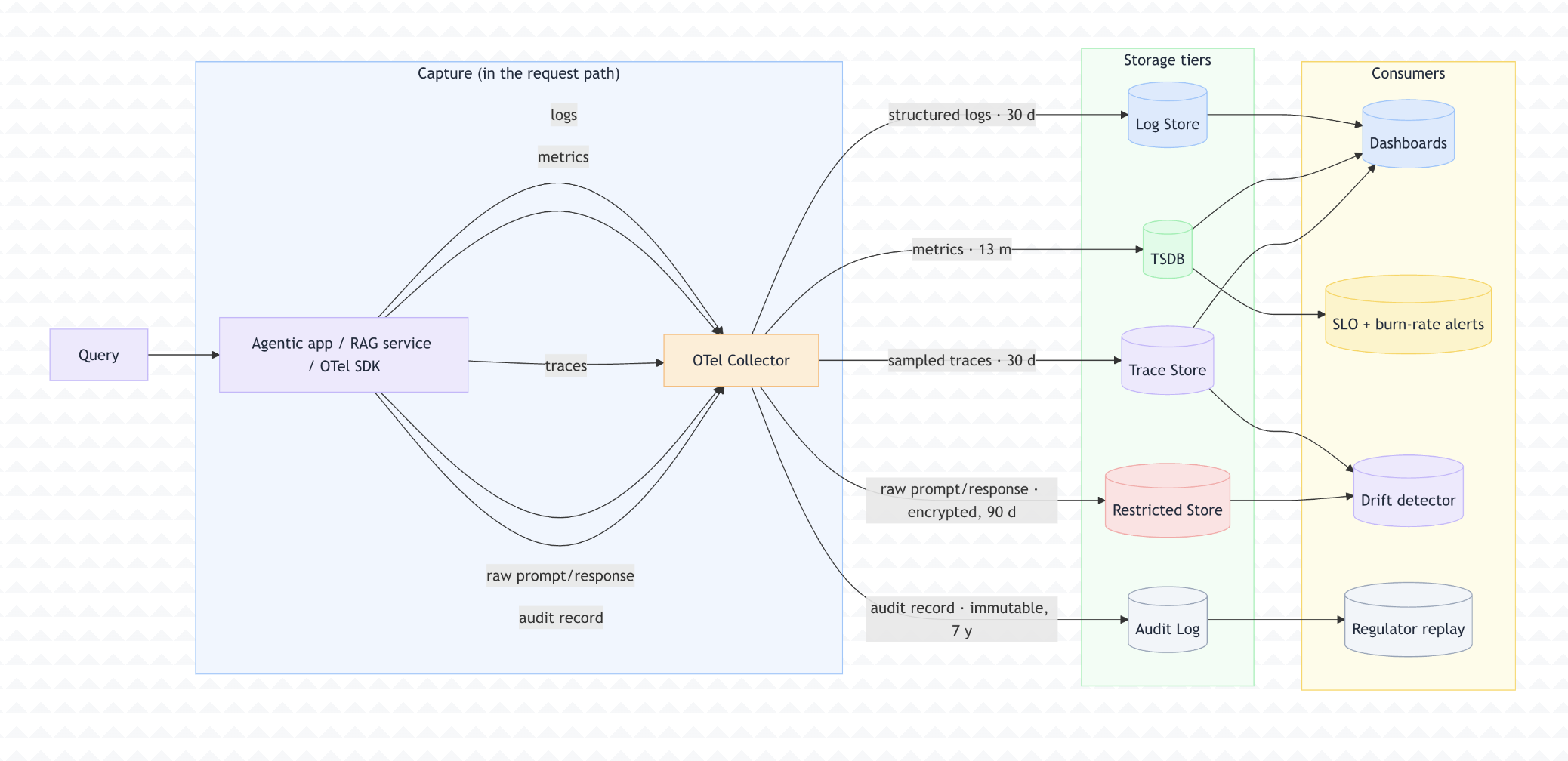
AI observability is not a dashboard. It is a capture-and-retention architecture with five signals, five retention policies, and four consumers.