
Enterprise AI Workflow Patterns: Autonomy vs Control
Choose between single inference, fully autonomous agents, deterministic workflows, and guided hybrid agents. Comparison matrix, JSON contracts, and when to escalate from one call to a full agent.
Choose between single inference, fully autonomous agents, deterministic workflows, and guided hybrid agents. Comparison matrix, JSON contracts, and when to escalate from one call to a full agent.

User identity answers who is asking; agent identity answers which software is acting. Least privilege, audit, revoke, and dual gateway checks for real-time and batch.
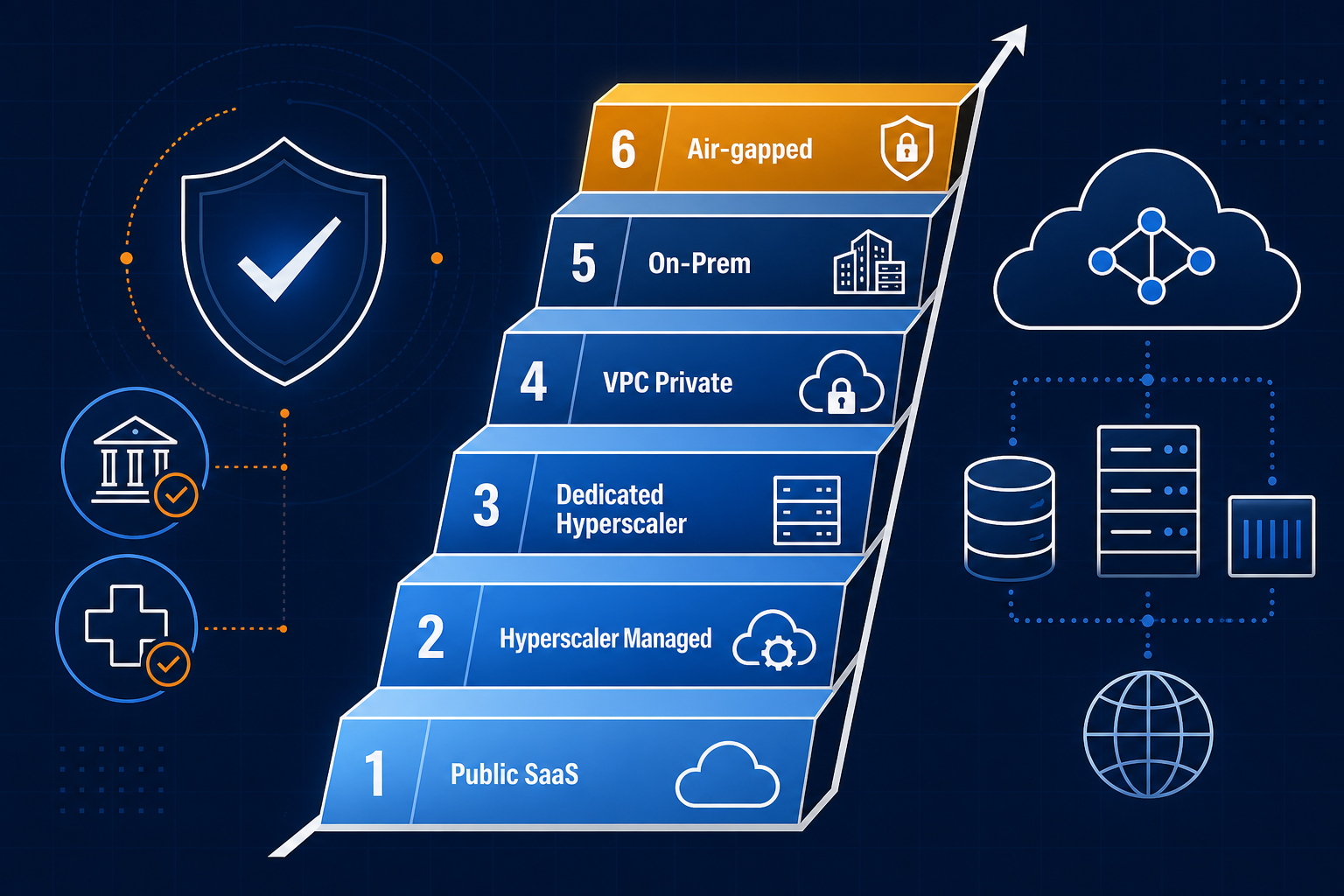
From public SaaS to air-gapped on-prem: a practical ladder of LLM hosting options, and how to choose based on regulatory pressure and engineering maturity.
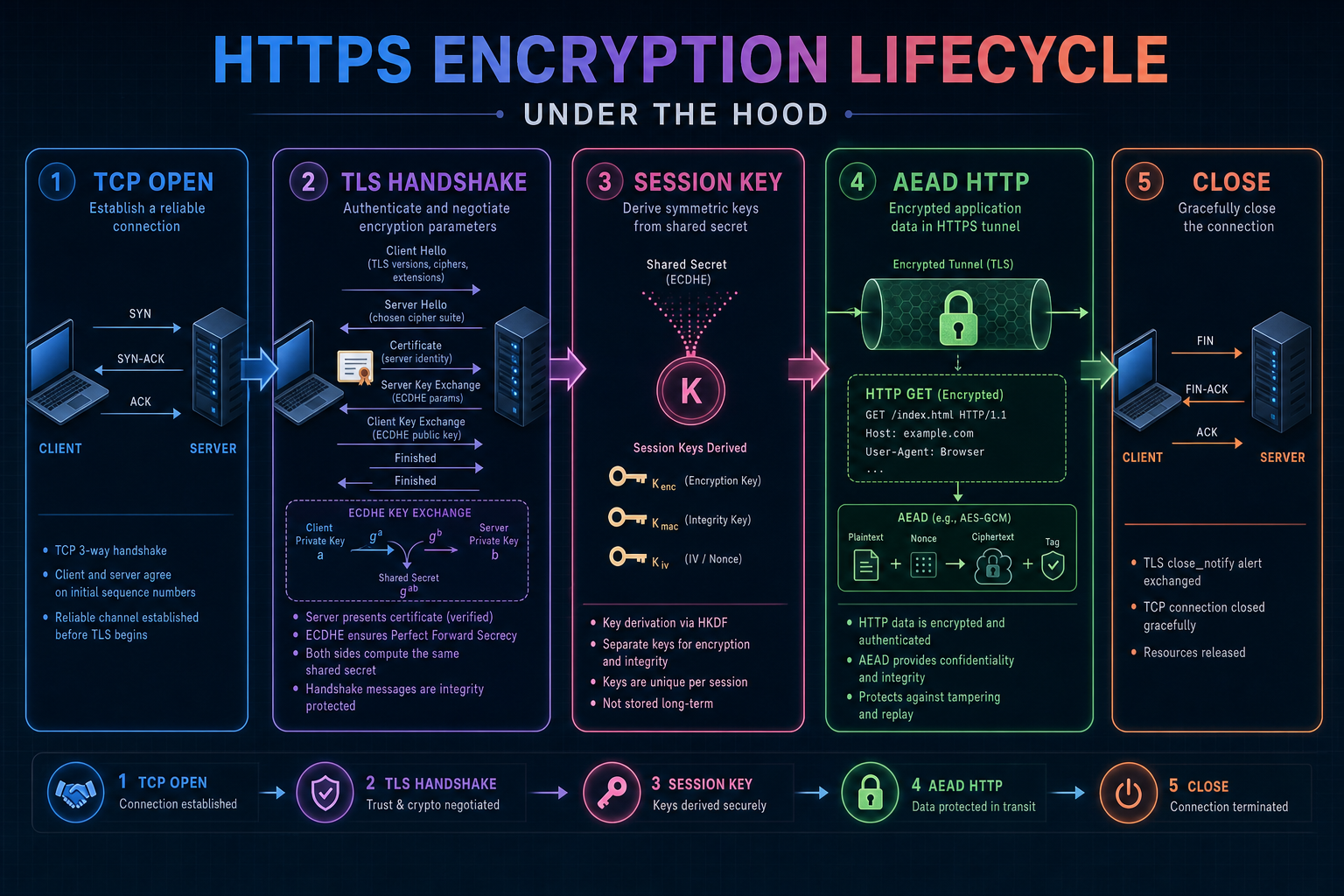
One HTTPS call from TCP open through TLS handshake, session keys, AEAD records, and teardown. Where asymmetric trust ends and symmetric bulk encryption begins.
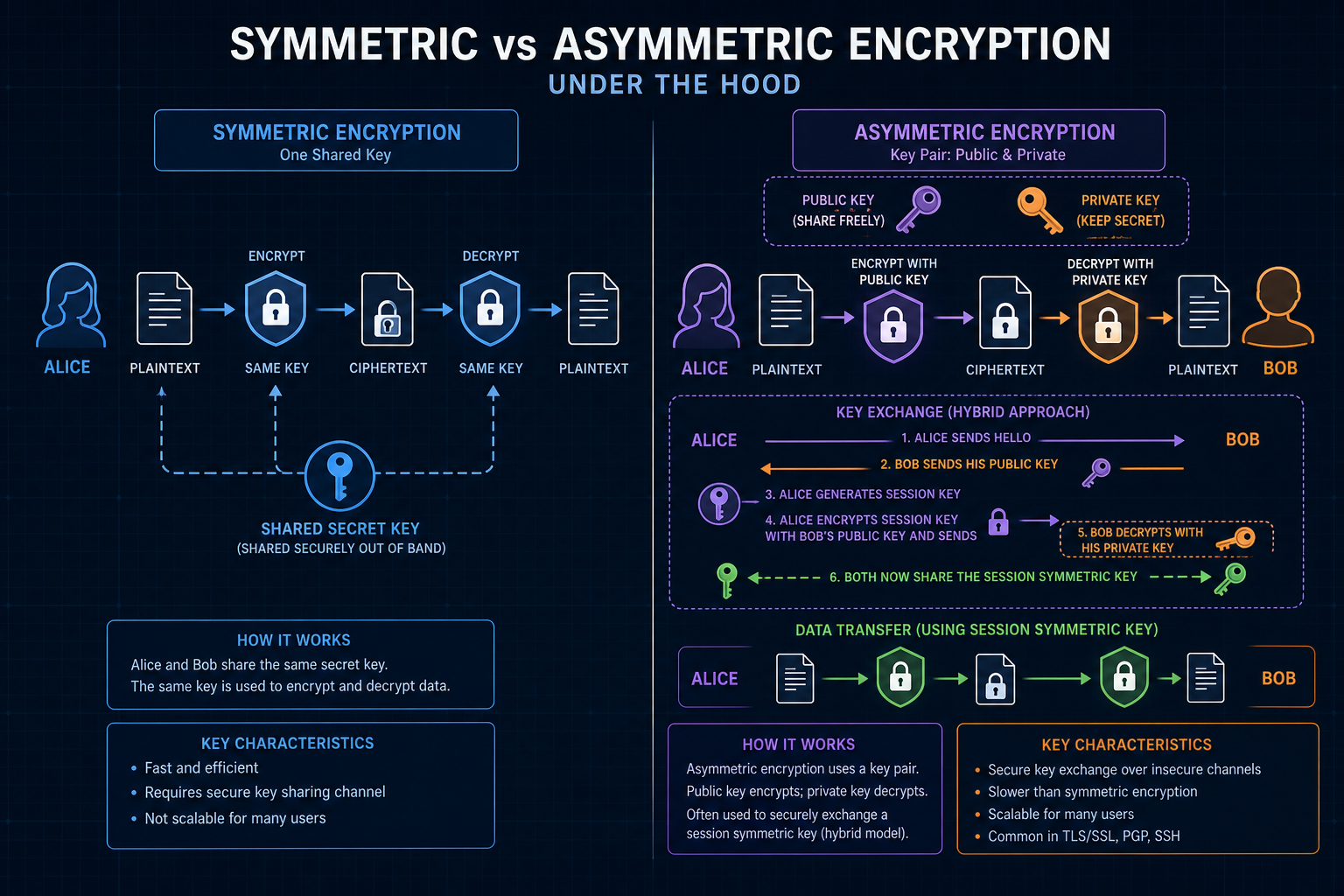
Symmetric crypto shares one secret for speed. Asymmetric uses key pairs for trust and key exchange. Where each appears in TLS, APIs, data at rest, and which mistakes look like security.
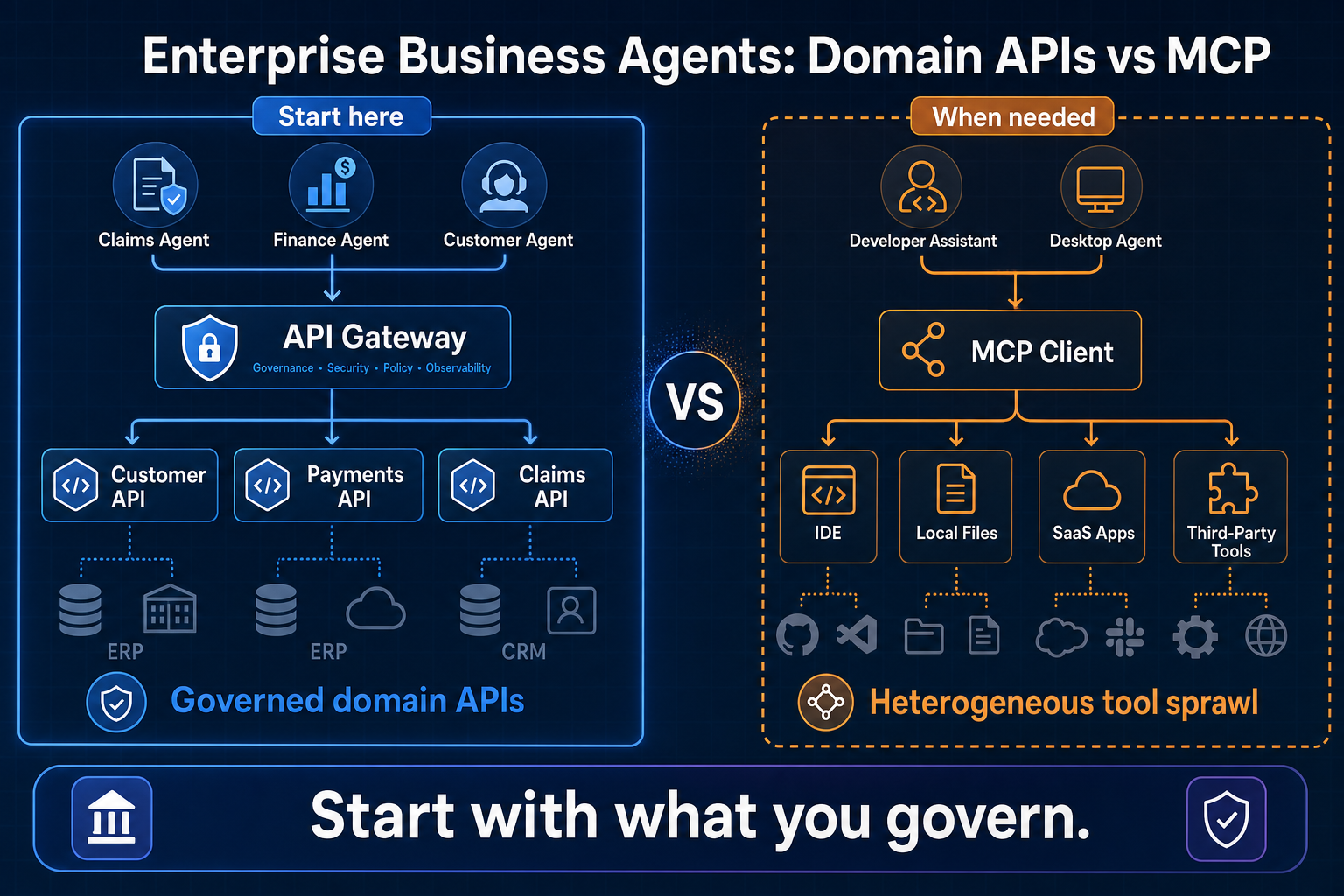
MCP is a valuable standard for AI tool interoperability. For regulated business agents, pin agent governance first (route contract, tools, permissions, context), then choose MCP only where it beats governed business APIs.
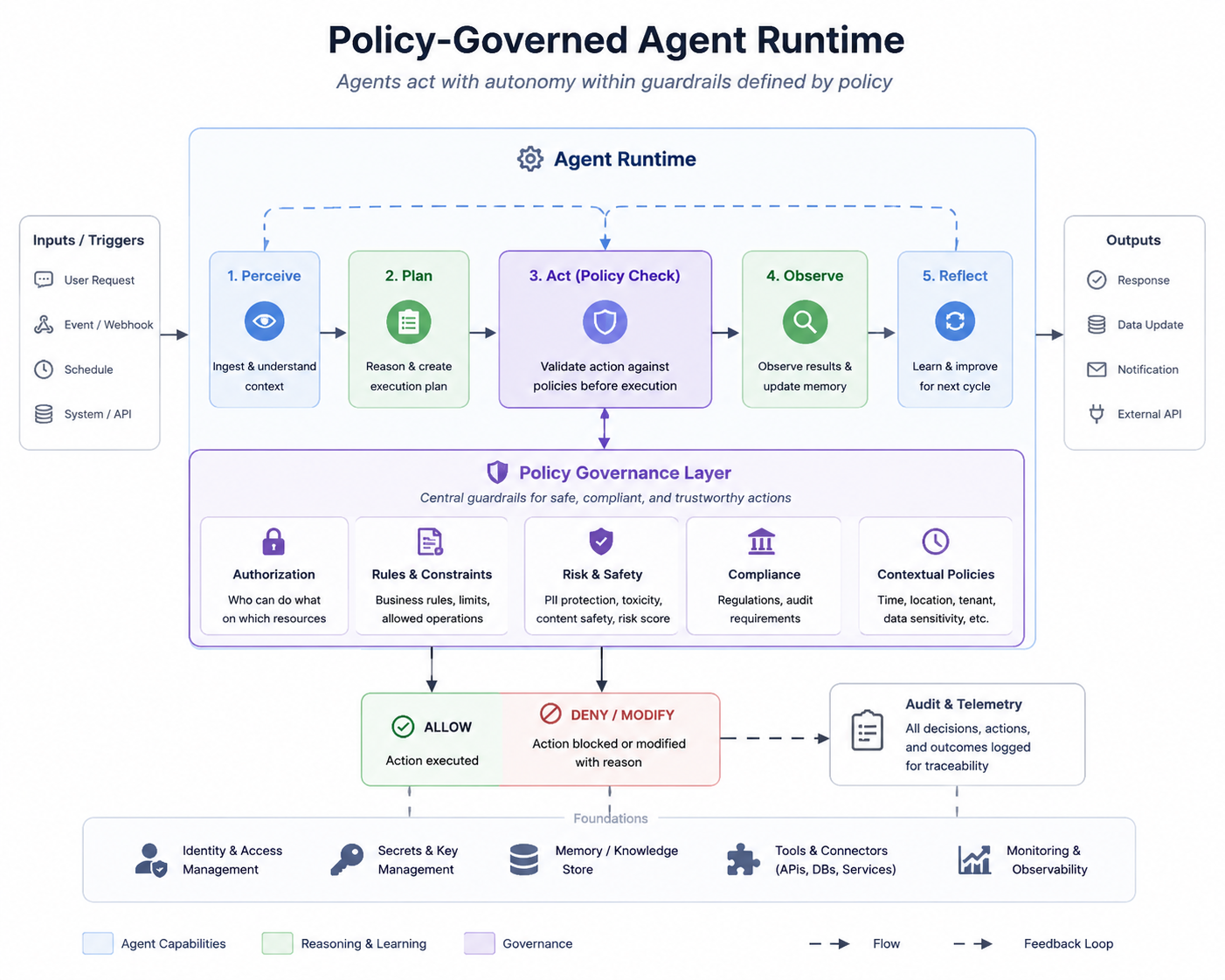
Proposal is not permission. Agents propose tool calls; governance decides whether they run. An architecture breakdown of runtime trust boundaries for production agent systems in regulated industries.